Our Brands
Our Brands
Mellow Films text logo in a bold and modern font on a transparent background.

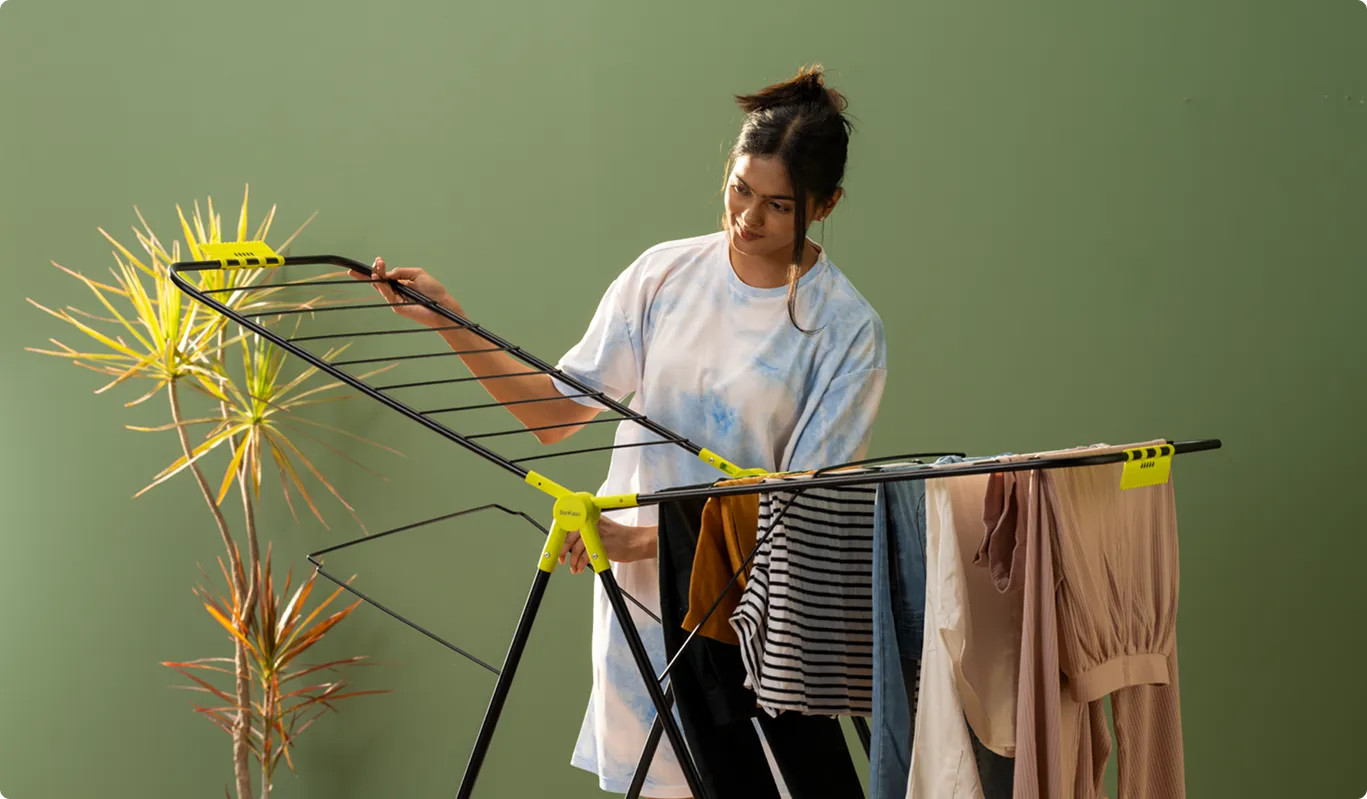
BonKaso

A home hardware brand built for shelves it had never stood on

Services

Brand Identity
Website Design / Development
Marketing Campaign
Performance Marketing
Brand Positioning

Year

2023

Duration

3 months
Visit Website
Visit Website

The brief

Overview

BonKaso had built a real business on Amazon. Home hardware: mortise locks, extension cords, step ladders, bathroom accessories, gazebos, smart bulbs, doorbells, flower pots. A catalogue wide enough to live in almost every room of an Indian home. What it didn't have was a brand. It had a marketplace listing. The orange logo did its job inside the Amazon grid, but it carried no weight outside it: no retail recognition, no packaging system that could differentiate one product line from another on a shelf, no story a distributor could repeat.

The business consequence was concrete. BonKaso was capped by its own channel. Retail buyers and B2B construction procurement teams won't stock a brand that looks like a search result. Their decision-making runs on category trust, packaging cues, and visible quality tiers — none of which existed. Every product, from a ₹200 extension cord to a smart door lock, sat in the same generic packaging. A buyer couldn't tell at a glance whether they were looking at essentials, premium, or a B2B SKU. The catalogue's breadth was working against it.

Challenge

The problem had persisted because Amazon rewards velocity over identity. BonKaso had optimised for the marketplace, which meant they had spent years not building the thing they now needed most: a brand system that could carry them into channels where shelf presence, distributor confidence, and tier signalling decide whether you get an order.

Solving it was urgent because the next stage of the business depended on it. Retail expansion and B2B construction tie-ups were already in the pipeline. Without a brand architecture that could organise the catalogue, signal product tier, and travel across 11 Indian language markets, those conversations would stall at the door.

No items found.

The Problem Statement

BonKaso's problem wasn't that it lacked design. It was that it was selling six businesses through one identity. A premium smart lock and a basic flower pot were being asked to do the same work for the same buyer in the same packaging, and neither was winning. The shelf, unlike the search bar, demands hierarchy. A retail buyer needs to know in 1.5 seconds where a product sits in the catalogue, what it costs, and who it's for.

The unlock was brand architecture, not brand identity. The logo was fine. What BonKaso needed was a sub-brand system visually distinct enough that Essentials, Select, Iconix, IQ, and Blueprint would each pre-sell their tier before a buyer read a single word. Once tier was legible, the rest of the system (packaging templates, illustration style, e-commerce design, multilingual scripts) could be built to scale across every SKU without losing coherence.

No items found.

Building a Brand That Could Walk Off Amazon

Brand and Category Audit 

We started with the catalogue, not the logo. The team mapped every SKU BonKaso sold across the existing Amazon presence, grouped them by price point, use case, and buyer type, and overlaid that against where the business wanted to be: retail shelves, B2B construction channels, and a D2C Shopify storefront. The audit surfaced the real problem. The catalogue contained at least four distinct product personalities being sold under one flat identity. That finding became the foundation for everything that followed.

Brand Architecture and Visual System 

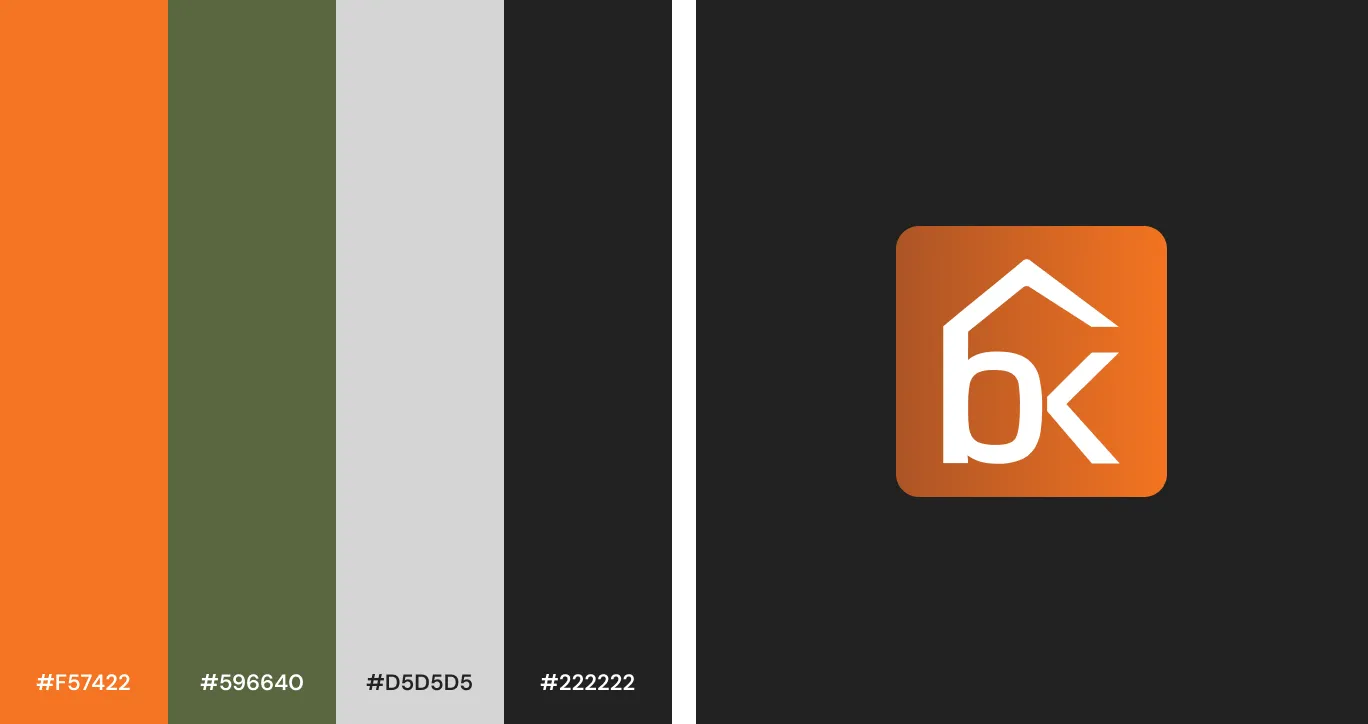
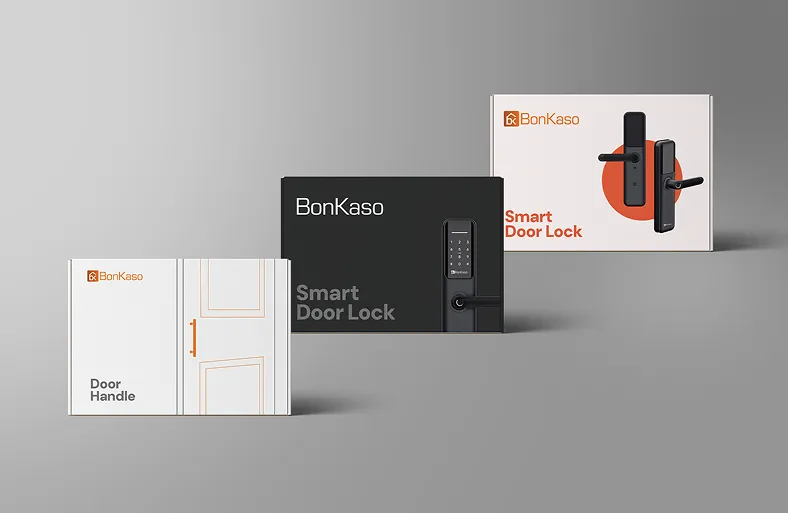
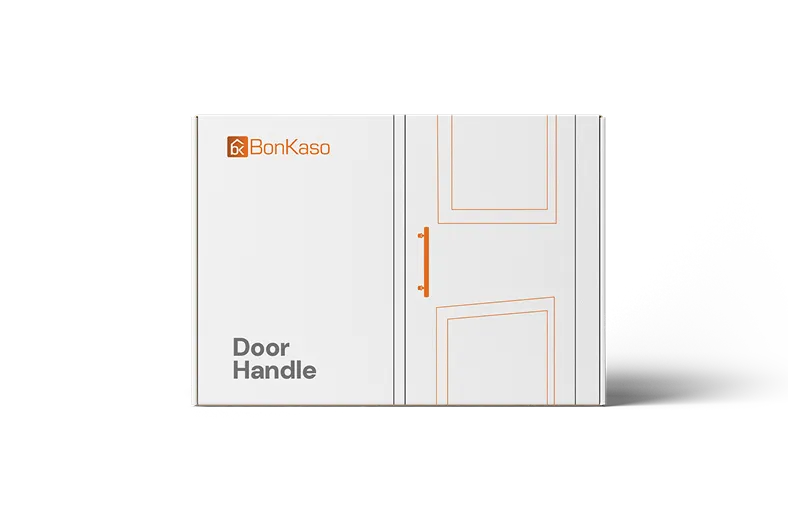
Five sub-brands were defined and locked. BonKaso Essentials (basic-tier, white and orange, roof-symbol pattern), BonKaso Select (mid-premium, orange-and-black geometric strip), BonKaso Iconix (luxury, black with gold and a diamond motif), BonKaso IQ (smart-tech, electric blue with triangular pattern), and BonKaso Blueprint (B2B/commercial, grey with architectural blueprint graphic). Each got its own colour palette, graphical device, and packaging template, but all were anchored to the same parent identity, typography system (Futura primary, Lato secondary, and Poppins for web), and tagline: Imagine. Transform. Inspire.

Logo clearspace, primary and reverse marks, correct-use rules, and a full eight-case "incorrect use" framework were codified. The orange Pantone P 30-8 C was confirmed as the signature, with five supporting colours for tints, cover art, and infographic use.

Packaging Master Creative and Dieline Extension

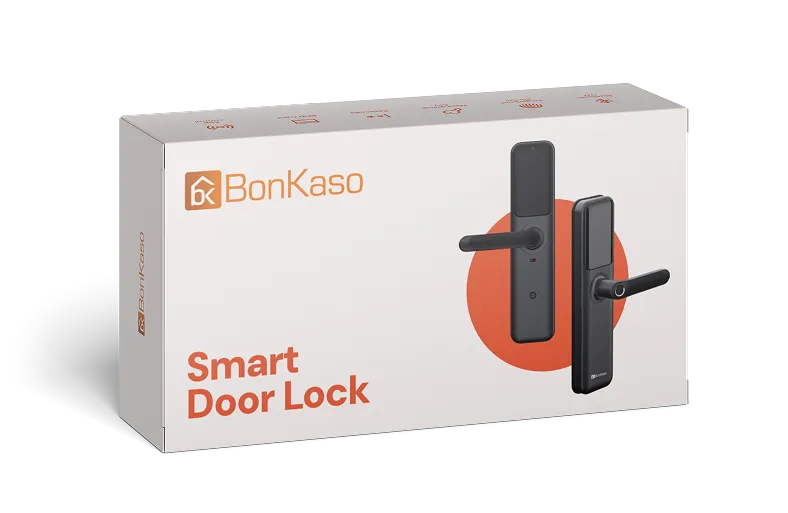
Rather than redesigning every SKU one by one, we built one master packaging creative per sub-brand with a defined illustration style, then extended it across the full dieline catalogue. Every box specified font, size, spacing, line weight, and pattern density down to the millimetre, so production partners could roll out new SKUs without breaking the system.

Digital Build

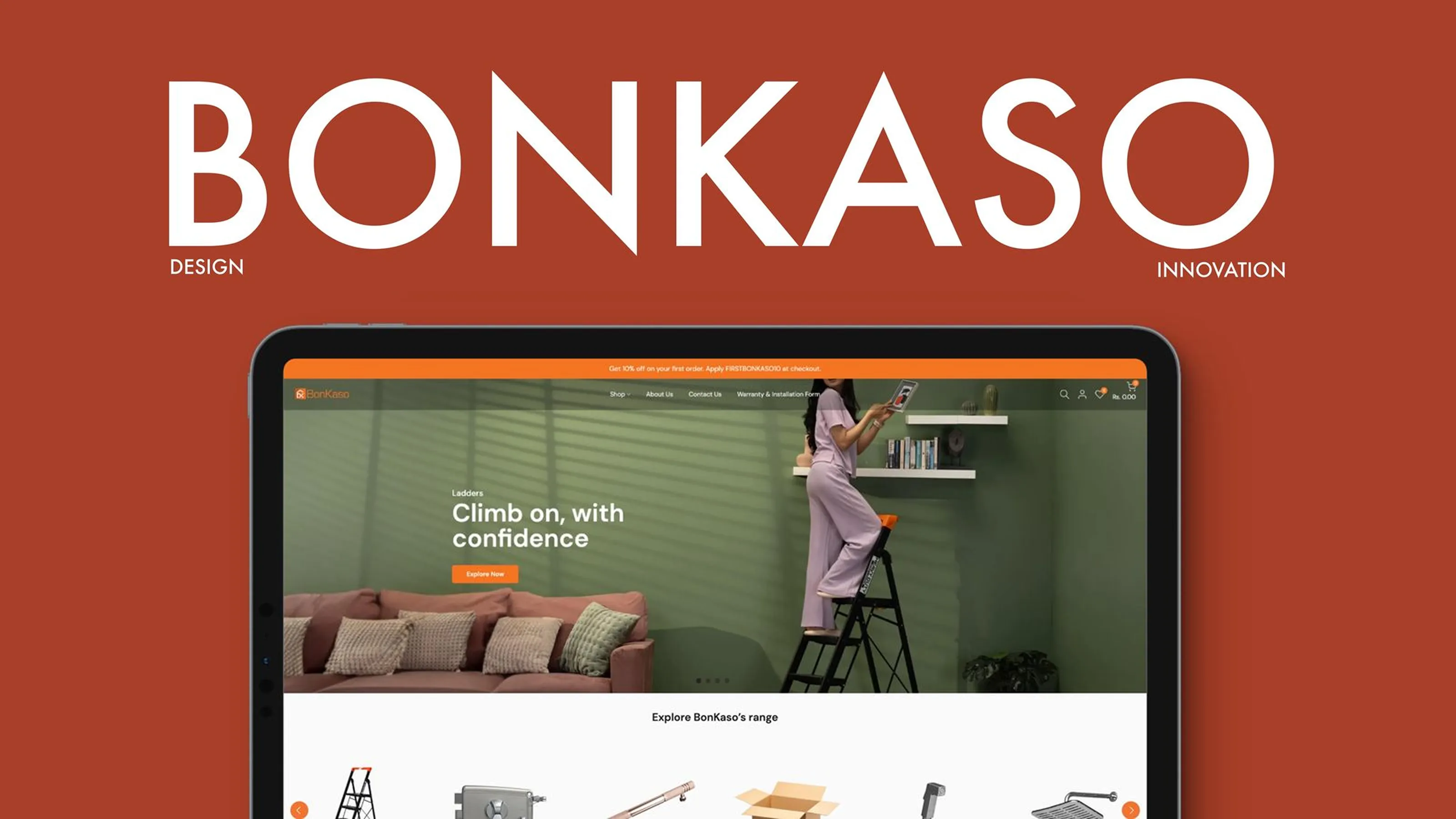
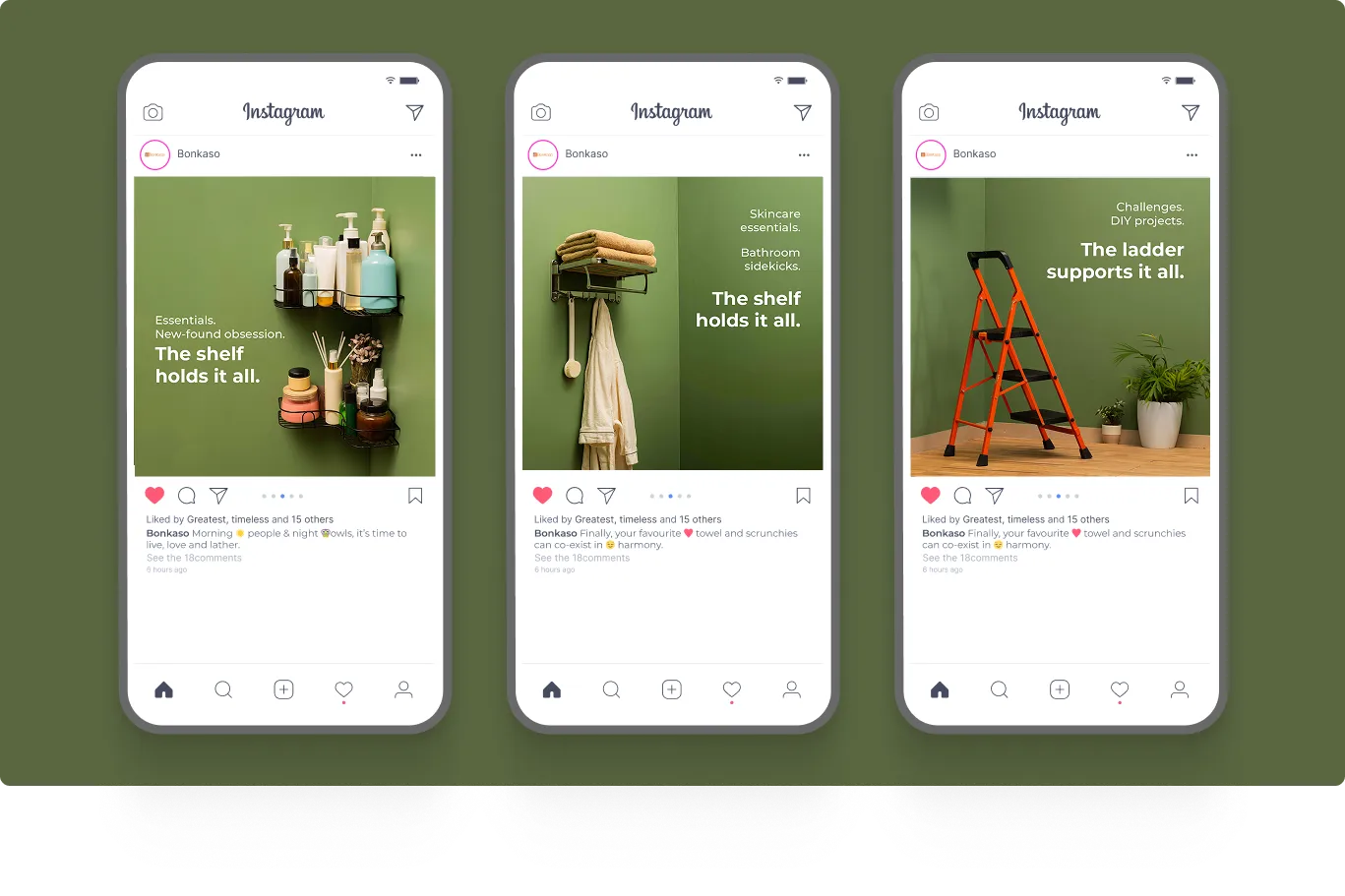
The four-person UI/UX team built the Shopify storefront, content templates, and website banners alongside a full Amazon refresh: PDPs, A+ content, Storefront, and Category pages. The new sub-brand hierarchy translated cleanly to marketplace and D2C alike. Copy was developed in parallel: solution-oriented, benefit-led, conversational. "Choose 10 different ways to welcome your friends and family" rather than "comes with 10 ringtones."

No items found.

Architecture Before Identity

Buying or renting a home is a high-stakes decision. By simplifying the interface to a clean, focused search bar with instant location tags, we remove the "choice paralysis" often found on cluttered real estate sites.

A Brand That Speaks 11 Languages

A pan-India home hardware brand can't live in English alone. The BonKaso logo and tagline were rebuilt in 11 scripts: Devanagari, Malayalam, Tamil, Kannada, Telugu, Punjabi, Marathi, Bengali, Odia, Gujarati, and English. Same identity, same recognition, every regional market. Imagine. Transform. Inspire. now reads the same way in Kerala, Punjab, and Bengaluru.

A Listing That Became a Storefront

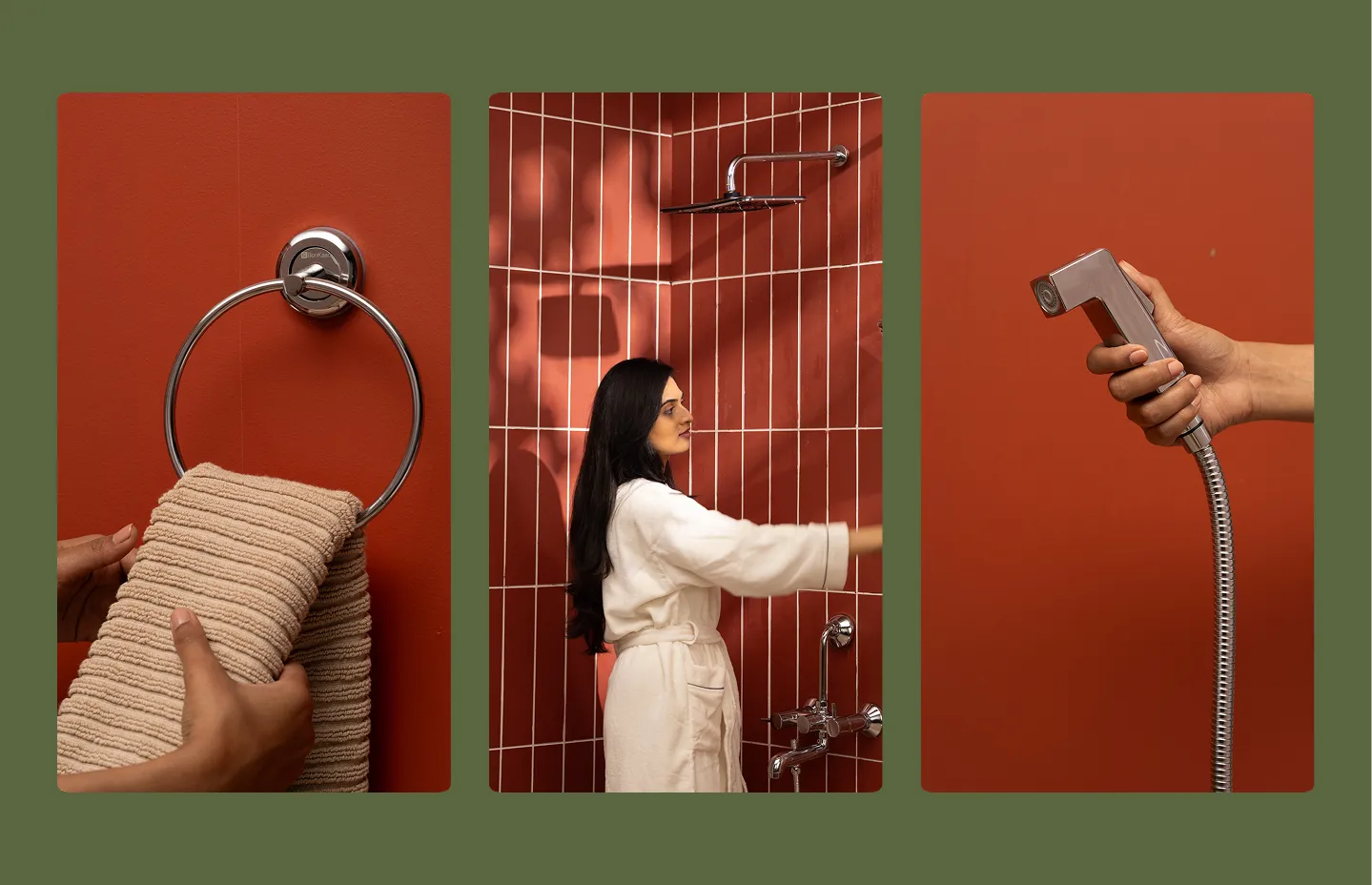
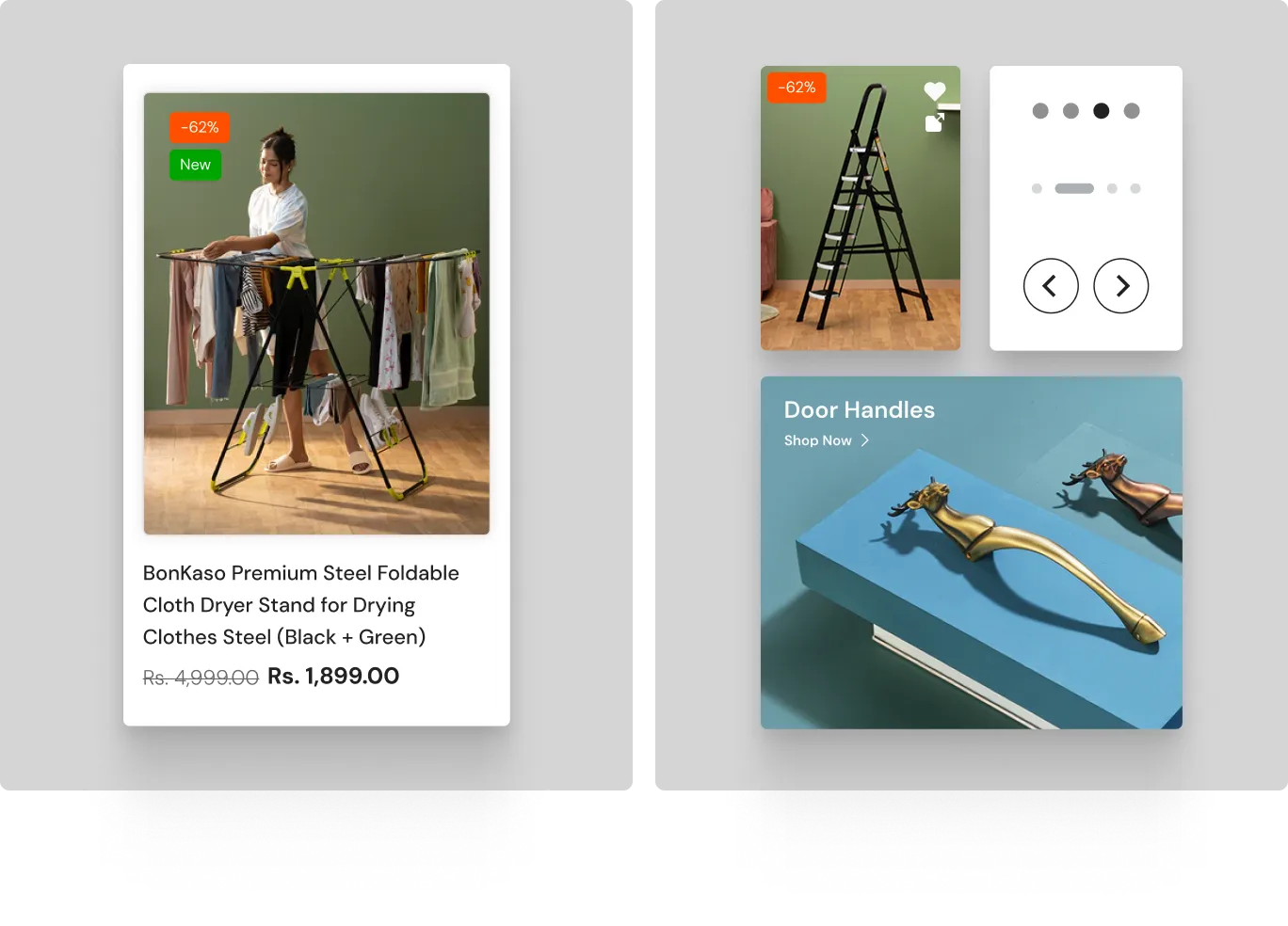
Amazon had built BonKaso, but Amazon was also the ceiling. We rebuilt the marketplace presence from PDP to A+ to Storefront to Category page, then gave the brand its first life outside it: a Shopify D2C storefront with content, banners, and a voice that sounded like a neighbour, not a manual.

No items found.

Results

The Build

Because the sub-brand architecture solved tier legibility at the packaging level, BonKaso could approach retail buyers and B2B construction partners with a product line that no longer looked like a marketplace catalogue. A Blueprint-tier mortise lock sitting in a grey-and-orange architectural-print box pre-sells itself to a procurement manager in a way an unbranded Amazon-style box cannot. An Iconix smart door lock in black-and-gold packaging signals price tier before the QR code is scanned. The decision to build one master creative per sub-brand and then extend across the dieline catalogue also solved the cost problem of scaling — adding a new SKU no longer required a new design exercise, and production partners had spec sheets that locked every variable.

The Results

A catalogue that was indistinguishable on Amazon now ships in five visually distinct, retail-ready packaging systems, built to walk into channels BonKaso had never sold in. The system was built to scale faster than the catalogue could grow. Across digital, the Shopify storefront gave BonKaso a D2C identity independent of Amazon for the first time, while the Amazon refresh let the new architecture earn its keep inside the marketplace too. The brand was no longer dependent on a single channel — it could now be sold across three.

No items found.

Frequently Asked Questions

How do you build brand trust for a product sold on Amazon?

Establish it before the price comparison starts. A marketplace listing was never going to be enough, so we developed BonKaso's brand strategy and visual identity to create trust at the moment a shopper is choosing between similar-looking options.

Can a brand identity be designed to improve marketplace conversions?

Yes, when conversion is a design input rather than a downstream concern. We paired BonKaso's visual system with a conversion-focused roadmap, built to keep engagement consistent across every product listing.

Can a brand identity support expansion into new product categories?

It has to be built for it from the start. We designed BonKaso's identity to scale with the business, and it has since expanded into 10-plus categories with 100-plus products without needing a rebuild.

How do you make a budget-friendly brand feel trustworthy rather than cheap?

Design for relatability over polish. We kept every BonKaso decision aligned to its actual audience, because trust and relatability drive loyalty in this category more than visual sophistication does.

How do you know a rebrand has worked?

Watch what happens to the business, not the applause. BonKaso's rebuild fed into stronger engagement, higher customer trust and sustained growth as the product range expanded across marketplace categories.

Next Project

Next Project →
Pause icon with two vertical white bars on a black square background.
Mellow Designs
Online
Hi there,
Ready to turn ideas into something awesome? How can we help you?
Start Whatsapp Chat
Chat on Whatsapp
Your brand’s success story starts here
Let’s Begin
Lets Begin